How Our Work Leads to Better Health
We strengthen biomedical engineering systems through a continuous cycle of learning, innovation, and advocacy. This leads to measurable, step-by-step improvements.
Stronger HTM/BME Systems
Systems, people, processes, and resources work better together.
Improved Equipment Uptime
More equipment is functional when and where it is needed.
Improved Quality & Availability of Care
Health services are safer, more reliable, and accessible.
Improved Health Outcomes
People live healthier lives and communities thrive.
The Field-to-Policy Flywheel
We operate as a Systems Orchestrator, convening partners, aligning efforts, mobilizing resources, and catalyzing change through a continuous improvement loop.
Advocate
Shape policies, align stakeholders, and secure funding.
Educate
Develop curricula, train technicians, build capacity.
Innovate
Deploy physical and digital field maintenance tools.
Three Levers. One System.
Our pillars do not operate in isolation. They form a unified system designed to transition low-resource settings to institutional-grade equipment uptime.
Advocate: Mobilizing for Policy Shifts
We use ground-truth clinical data to drive national policy changes. Our work centers on replacing fragmented donor-driven acquisition cycles with sustainable, institutionalized Health Technology Management (HTM) frameworks.
Core Objectives:
- check_circle Standardize national HTM frameworks across target sub-Saharan Ministries of Health.
- check_circle Shift international donor behavior from short-term machine donations to long-term lifecycle contracts.
Our advocacy initiatives led to a national consensus in several facilities across various countries to institutionalize a postgraduate biomedical engineering internship program.
We provided data and expertise to co-author a KES 37 Billion national medical oxygen roadmap in several facilities across various countries.
Measuring Systems Growth: The STEP-BME Framework
We do not just train personnel; we measure the progressive strengthening of biomedical systems across four core domains: human resources, infrastructure, equipment management, and monitoring & evaluation.
Stage 1 - Basic
The BME role is formally defined. Facilities have basic job descriptions, established escalation protocols, and the capacity for minor in-house repairs.
Moving the Needle in Several Facilities Across Various Countries
Investing in human infrastructure yields immediate, verifiable outcomes. See how a 10-day hands-on "BOOST Bootcamp" successfully upgraded workshop capacities.
Note that this intervention enabled them to transition from a reactive "phone call" system to 100% systematized record-keeping, laying the foundation for the ultimate goal of sustaining 85%+ functionality for all priority medical equipment.
Digital Tools & Platforms
Supporting biomedical personnel with context-specific resources and frameworks built with practitioners.
Context-First Design
Every tool, curriculum, and resource is designed for LMIC realities, ensuring usability in low-bandwidth and resource-constrained environments.
Systems Lens
We work simultaneously on policy, workforce, tools, and the ecosystem because only systemic change improves patient outcomes.
Equipping the Biomedical Workforce
We deliver resilient digital tools, standardized templates, and real-time synchronization frameworks designed for low-bandwidth environments.
BME-Konza App
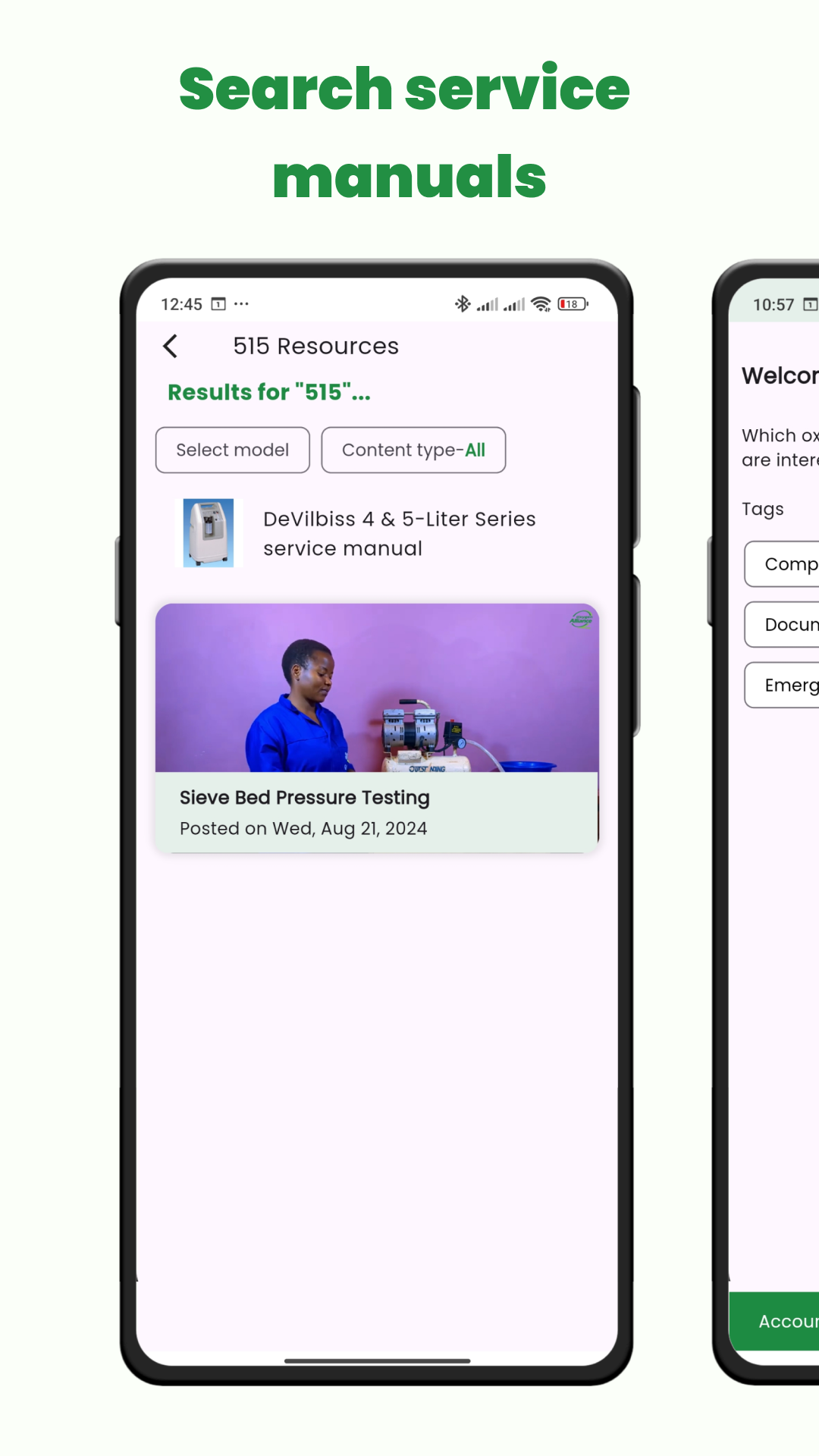
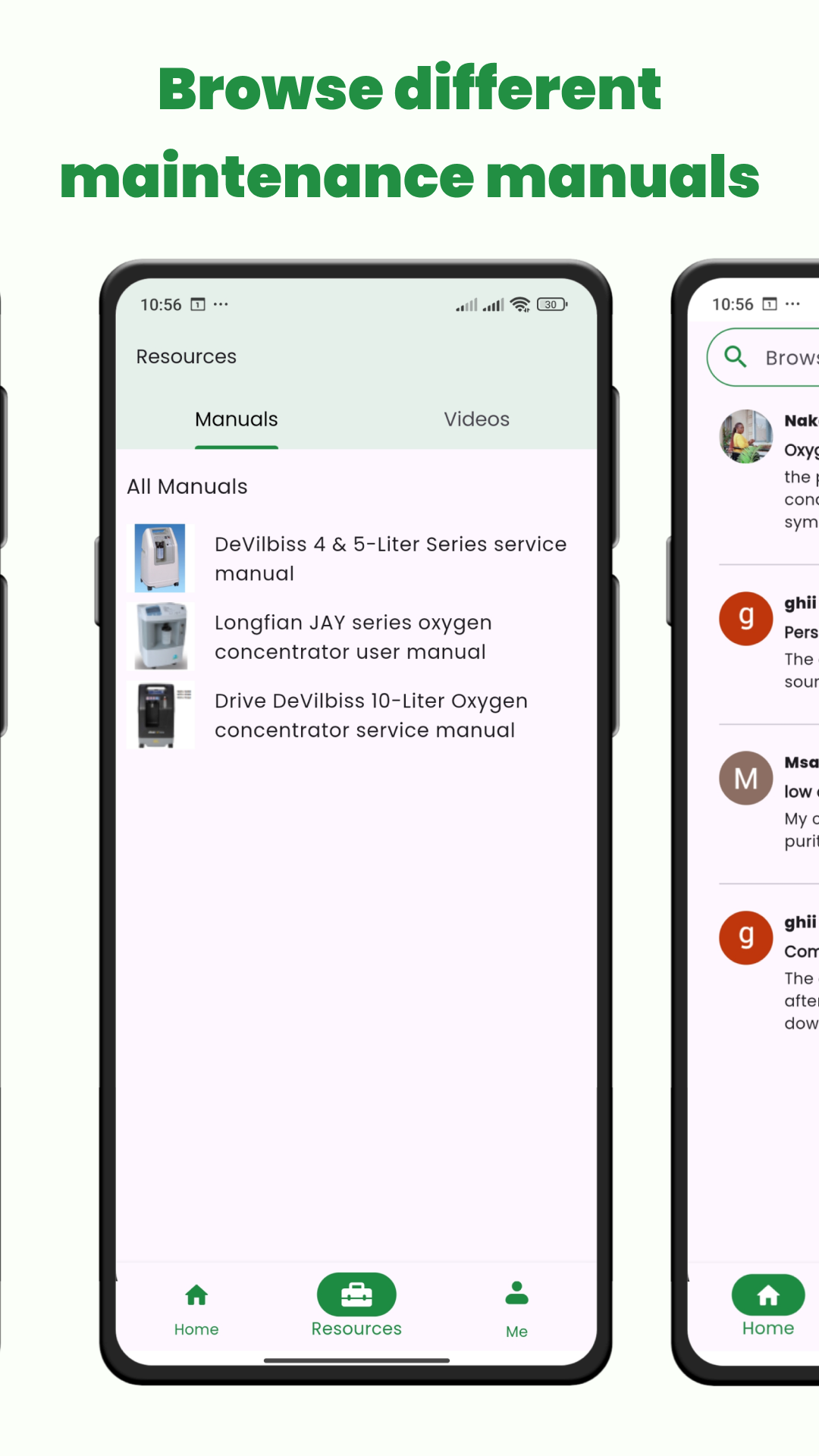
A free mobile hub equipping engineers with offline service manuals and real-time, peer-to-peer troubleshooting support.
Download BME-Konza